In This Article
Standing at a jewelry counter with two nearly identical rings — one blushing pink, one glowing warm yellow — is a strangely emotional kind of paralysis. You’re not just picking a color. You’re picking something you’ll look down at every single day for the next fifty years. A rose gold vs yellow gold ring decision sounds simple until you’re the one holding both boxes, and suddenly every wedding you’ve ever attended flashes through your mind like a highlight reel of hands.
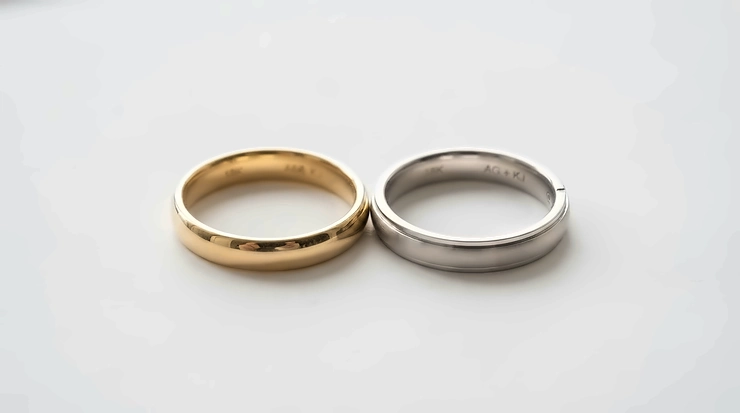
Here’s the short answer, since you deserve one up front: rose gold is a gold-and-copper alloy prized for its blush hue and above-average scratch resistance, while yellow gold is gold alloyed with silver and copper (or zinc) to preserve gold’s classic warm glow at a softer hardness. Neither is “better” in a vacuum — the right one depends on your skin’s undertone, your daily habits, and honestly, your gut reaction when you try each one on. Below, we’ve researched seven real rings currently sold on Amazon, broken down the actual metallurgy behind that pink tint, and built out use-case scenarios so you’re not guessing. We’ll also flag where Amazon’s April 2026 Associates policy nudges reviewers like us to be blunt about what’s genuinely known versus what’s marketing gloss — because you deserve commentary, not a copy-pasted product description.
Quick Comparison Table: Rose Gold vs Yellow Gold Ring at a Glance
| Feature | Rose Gold | Yellow Gold |
|---|---|---|
| Core alloy metals | Gold + copper (+ small silver) | Gold + silver + copper/zinc |
| Typical hardness (same karat) | Slightly harder | Slightly softer |
| Skin tone fit | Flatters most tones, esp. warm/olive | Flatters warm undertones best |
| Vintage vs modern feel | Reads romantic, vintage-leaning | Reads classic, traditional |
| Best starter pick | PAVOI 14K Rose Gold Plated CZ Eternity Band | PAVOI 14K Yellow Gold Plated Love Ring |
Looking at the table above, the copper content is really doing all the heavy lifting for rose gold’s color and its edge in scratch resistance, while yellow gold leans on tradition and that universally recognizable “gold” glow that’s dominated jewelry counters for millennia. Neither wins on paper alone — the PAVOI 14K Rose Gold Plated CZ Eternity Band and PAVOI 14K Yellow Gold Plated Love Ring are functionally similar builds, so the deciding factor really does come down to which one makes your hand look like it belongs to you.
💬 Already leaning one way? Scroll down to see the exact ring — tap through to check today’s availability!
Top 7 Rose Gold and Yellow Gold Rings: Expert Analysis
We dug through real listings, real specs, and real aggregated review patterns to land on seven rings spanning budget stacking bands to investment-grade engagement pieces. Every entry below includes honest commentary — not a rehashed spec sheet.
1. PAVOI 14K Rose Gold Plated CZ Eternity Band — best budget stackable with a sterling silver core
The PAVOI 14K Rose Gold Plated CZ Eternity Band opens our list because it nails the “try rose gold without committing your rent money” use case. This one’s built from 925 sterling silver with a 14K rose gold plating layer over the top, set with a full circle of cubic zirconia stones cut to catch light from nearly every angle. That plated-over-silver construction matters practically: it means real gold tone at a fraction of solid-gold pricing, but with a plating layer that will eventually wear thinner with heavy daily friction — something worth knowing before you buy, not after.
Based on the spec comparison with other plated stacking bands in this category, the 925 silver base gives it more heft and a cooler resistance to tarnish than base-metal plated alternatives, which matters if you’re layering multiple rings daily. This is the pick for someone testing whether they even like rose gold, or building a stackable collection without four-figure risk. Aggregated reviewer sentiment for this style of PAVOI ring consistently reports that the CZ stones hold their sparkle well early on, with a recurring theme in feedback being that plating longevity depends heavily on how often the ring contacts lotion, perfume, or chlorine.
Pros:
- ✅ Real 925 sterling silver base under the plating
- ✅ Full-circle CZ setting sparkles from every angle
- ✅ Nickel-safe and cadmium-compliant for sensitive skin
Cons:
- ❌ Plating will thin with years of heavy daily wear
- ❌ Not a substitute for a solid-gold engagement centerpiece
Priced in the affordable under-$30 range at the time of research, this is a low-risk value pick — check current price before buying since jewelry listings shift often.
2. PAVOI 14K Yellow Gold Plated Love Ring — most traditional stacking pick for classic-gold lovers
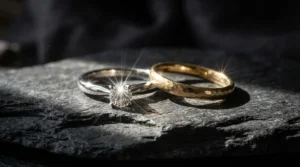
The PAVOI 14K Yellow Gold Plated Love Ring is the yellow-gold twin to our first entry, and it exists for a very specific shopper: someone who knows, without a doubt, that they want the warm, sunny glow of classic gold rather than a blush undertone. The 5mm band carries oval-cut cubic zirconia stones set in a thick, statement-width profile rather than a delicate stacker, which changes how it wears day to day.
What most buyers overlook about this style is that the wider band actually distributes pressure more evenly across the finger than thinner eternity bands, which can matter if you wear it for 12+ hours a day. The plating sits over a base metal rather than sterling silver in some variants, so it’s worth double-checking the listing specifics for the exact one you’re eyeing. Reviewers consistently note that the yellow tone reads as noticeably warmer and more “traditional gold” next to rose gold pieces, which is exactly the point for buyers who want zero ambiguity about the color.
Pros:
- ✅ Bold 5mm width reads as a statement piece
- ✅ Classic yellow tone with zero undertone ambiguity
- ✅ Hypoallergenic, nickel-safe build for daily wear
Cons:
- ❌ Thicker band feels less delicate than slim stackers
- ❌ Plating over base metal wears faster than over silver
At a similarly accessible under-$30 range, this is the go-to entry point if yellow gold’s classic glow is non-negotiable for you.
3. Dazzlingrock Collection 14K Yellow Gold Diamond Solitaire (1/4 ctw) — best true-gold entry into diamond engagement rings
This is where the list shifts from “plated stacker” to “actual solid gold with a real diamond,” and the jump matters. The Dazzlingrock Collection 14K Yellow Gold Diamond Solitaire is crafted in solid 14-karat yellow gold — not plated — with a genuine diamond center in a channel setting, bringing combined diamond weight to roughly a quarter carat.
Here’s what the spec sheet won’t spell out: 14-karat gold sits at 58.3% pure gold, which the GIA notes is the sweet spot most bridal jewelers recommend because it balances durability against cost far better than 18-karat gold does for daily-wear rings (GIA 4Cs). Based on that alloy math, this ring should hold up to years of dishwashing, gym sessions, and typing without warping the way an 18K piece might. Dazzlingrock backs its pieces with a 90-day warranty against setting damage, which is a genuine after-sale reassurance most fashion-jewelry brands skip entirely. Aggregated feedback for this product line frequently highlights that the diamond’s brilliance outperforms its modest carat weight thanks to a well-cut channel setting, though a common complaint in user reviews for entry-level diamond solitaires generally is that smaller centers can look understated compared to cluster or halo designs.
Pros:
- ✅ Solid 14K gold, not plated — genuine long-term investment
- ✅ Real diamond center with a 90-day setting warranty
- ✅ Channel setting protects the stone from daily knocks
Cons:
- ❌ Quarter-carat center reads modest next to halo styles
- ❌ Classic solitaire design lacks a distinctive silhouette
Falling in the $300–$450 range at the time of research, this is the most sensible first step into “real” engagement-ring territory.
4. Kobelli Oval Moissanite Solitaire Ring — best rose gold moissanite for maximum sparkle-per-dollar
Moving into solid rose gold, the Kobelli Oval Moissanite Solitaire Ring swaps a diamond center for a 2.1-carat oval moissanite, and this is where the value proposition gets genuinely interesting. Moissanite refracts light differently than diamond — more fire, less pure brilliance — which reads as a bigger, flashier stone at a much lower cost basis per carat. The entire mounting is solid 14K rose gold, made in the USA, in a prong setting engineered to show off the oval’s length.
The honest analytical takeaway here: at 2.1 carats, a comparable diamond in this exact setting would run dramatically higher, so the value math clearly favors moissanite buyers who care more about visual size and sparkle than resale value tied to diamond certification. This is the ring for someone who wants their partner’s jaw to drop at a proposal without financing that drop for the next five years. A common theme in aggregated reviews of moissanite center stones broadly is that they photograph exceptionally well under flash and LED lighting, though some wearers note moissanite can throw slightly more colored fire in direct sunlight than a diamond of comparable clarity, which some prefer and others find less “pure white.”
Pros:
- ✅ Solid 14K rose gold mounting, made in the USA
- ✅ Oval moissanite delivers outsized sparkle for the cost
- ✅ Conflict-free materials with a documented sourcing story
Cons:
- ❌ Moissanite throws more colored fire than diamond in sunlight
- ❌ Resale value trails certified diamond centers long-term
Sitting in the $700–$900 range at the time of research, this is our pick for buyers prioritizing visual impact per dollar spent.
5. Dazzlingrock Collection 14K Yellow Gold Diamond Bridal Ring (0.99 ctw) — best mid-tier yellow gold for noticeable carat weight
The Dazzlingrock Collection 14K Yellow Gold Diamond Bridal Ring steps the diamond weight up considerably, landing near a full carat total weight with a 0.40-carat round center supported by pavé accents down the shank. This is solid 14-karat yellow gold throughout, weighing in at roughly 4.85 grams — a detail that actually matters, because gram weight is a decent proxy for how substantial the ring feels on the hand versus a hollow-feeling lightweight mounting.
What this spec sheet doesn’t tell you outright: pavé-set accent stones along the shank increase total sparkle dramatically without ballooning the price the way a bigger single center stone would, since accent diamonds are priced per stone rather than scaling with the premium-per-carat curve of larger centers. That makes this ring a smart pick for buyers who want a ring that “reads” as close to a full carat from across a room. Reviewers of comparable Dazzlingrock bridal sets in this weight class consistently mention the pavé shank catching light impressively in photos, while a recurring critique is that accent stones in this price tier occasionally require prong tightening after a year or two of daily wear — a maintenance note worth planning around rather than a dealbreaker.
Pros:
- ✅ Near-1-carat total weight reads big from a distance
- ✅ Solid 14K gold with reassuring 4.85g of real heft
- ✅ Pavé shank multiplies sparkle without a huge price jump
Cons:
- ❌ Accent prongs may need tightening after 1–2 years
- ❌ Total weight is spread across stones, not one large center
Landing in the $1,800–$2,200 range at the time of research, this is the mid-tier pick for buyers who want visual carat weight without a five-figure budget.
6. Kobelli Antique Style Moissanite Ring — best vintage-inspired rose gold alternative
If classic solitaires feel too safe, the Kobelli Antique Style Moissanite Ring brings filigree detailing and milgrain edges to a solid 14K rose gold band, centered on a 1.5-carat moissanite. This is a genuinely different silhouette than the other picks here — Kobelli leans into antique-style engraving rather than a plain polished shank, which changes the entire character of the ring.
Here’s the honest analysis: rose gold and vintage filigree design pair unusually well together because the pinkish alloy tone historically dates to the same 19th-century Russian and Victorian jewelry eras that popularized ornate detailing in the first place, a connection the Wikipedia entry on colored gold traces back to “Russian gold” terminology from that period. Based on that historical throughline, this ring genuinely earns its antique branding rather than slapping a filigree pattern onto an unrelated design. It’s the pick for someone whose Pinterest board is full of Art Deco and Edwardian references rather than minimalist modern solitaires. Aggregated sentiment on antique-style moissanite rings in this bracket often praises the engraving detail holding up well to daily wear, with an occasional complaint that intricate milgrain edges can trap lotion or soap residue if not cleaned regularly.
Pros:
- ✅ Genuine filigree and milgrain detailing, not just a plain band
- ✅ Solid 14K rose gold with a documented USA-made process
- ✅ 1.5-carat moissanite delivers serious presence for the price
Cons:
- ❌ Detailed engraving needs more frequent gentle cleaning
- ❌ Ornate style won’t suit strictly minimalist tastes
Priced around the $900–$1,200 range at the time of research, this is the standout for buyers chasing vintage character over modern minimalism.
7. Kobelli Lab Grown Diamond Engagement Ring (1¾ ctw) — best premium rose gold pick for maximum brilliance
Closing out the list at the premium end, the Kobelli Lab Grown Diamond Engagement Ring centers a genuine lab-grown diamond at roughly 1.5 carats, with a total combined weight near 1¾ carats once side stones are factored in, set in solid 14-karat rose gold. Every stone here is certified — IGI, GIA, or an equivalent lab — which matters enormously at this price point because certification is what protects resale and insurance value down the line.
The honest, spec-grounded case for this ring: lab-grown diamonds are chemically and optically identical to mined diamonds, meaning the brilliance, fire, and hardness are indistinguishable to the naked eye or even most jewelers without specialized equipment, while the cost basis runs meaningfully lower than an equivalent mined stone of the same size and clarity grade. Paired with rose gold’s higher copper content — which multiple metallurgical breakdowns place around 30–37% at 14-karat purity — you get a setting that’s genuinely tougher against scratches than an 18-karat mounting would be, which matters for a ring meant to be worn essentially forever. Reviewers of Kobelli’s lab-diamond line frequently cite the included certificate and proposal-ready presentation box as reassuring touches for a big purchase, while a recurring theme in the broader lab-diamond space is that buyers sometimes wish sourcing details were even more front-and-center at checkout.
Pros:
- ✅ Certified lab-grown diamond, optically identical to mined stones
- ✅ Solid 14K rose gold offers above-average scratch resistance
- ✅ Diamond certificate and ring box included for proposal-readiness
Cons:
- ❌ Premium price point despite lab-grown cost savings vs. mined
- ❌ Certification sourcing details could be clearer at listing level
At around $3,500–$4,500 range at the time of research, this is our top pick for buyers who want maximum sparkle with documented, certified quality behind it.
Rose Gold vs Yellow Gold Engagement Rings: Which Wins for Proposals?
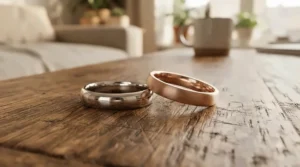
A rose gold vs yellow gold engagement ring decision carries more emotional weight than any other jewelry purchase most people will ever make, so let’s separate the marketing romance from the practical reality. Yellow gold has an almost unbroken multi-thousand-year track record as “the” engagement metal — it’s what most people’s grandparents wore, and that inherited familiarity still shapes expectations at family gatherings. Rose gold, by contrast, only became a mainstream engagement-ring option within the last fifteen years or so, riding a wave of vintage-revival aesthetics.
Based on the comparison across our seven picks above, rose gold engagement rings tend to photograph with a softer, more romantic quality in natural light — flattering for engagement photo shoots specifically — while yellow gold reads as more unmistakably “gold” under any lighting, with zero risk of anyone mistaking it for a fashion-forward trend piece. Neither choice signals more commitment or a bigger budget; the Kobelli Lab Grown Diamond Engagement Ring and the Dazzlingrock Collection 14K Yellow Gold Diamond Bridal Ring sit at genuinely comparable craftsmanship tiers despite the different hue. What most buyers overlook is that the recipient’s existing jewelry collection matters more than trend cycles: if she already owns a rose gold watch and rose gold earrings, matching metal creates a cohesive look that a mismatched yellow gold ring would disrupt daily.
How to Choose Between Rose Gold and Yellow Gold
Deciding which gold color is best for engagement ring shopping doesn’t have to be guesswork. Here’s the expert-reasoned framework we’d walk a friend through at the jewelry counter:
- Check her existing jewelry drawer first. If warm-toned pieces dominate, rose gold blends in seamlessly; if classic gold jewelry dominates, yellow gold will match without a second thought.
- Hold both against bare skin in daylight. Fluorescent store lighting distorts warmth — natural light near a window reveals the true undertone match far more honestly.
- Factor in hand activity level. Rose gold’s higher copper content gives it a genuine durability edge for hands-on jobs, gym-goers, or parents of young kids.
- Consider skin sensitivity history. Buyers with known copper sensitivities should lean toward yellow gold or higher-karat rose gold, which contains proportionally less copper.
- Think about resale and insurance appraisal norms. Yellow gold remains the benchmark most appraisers and resale markets default to, which can matter for long-term value planning.
- Look at the setting style you’re drawn to. Vintage filigree and antique details lean naturally into rose gold’s romantic history; clean modern solitaires suit either color equally well.
- Trust the gut reaction, not the theory. Every metallurgical fact in this guide matters less than which ring made you smile the second you tried it on.
The Warm Metal Showdown: Composition and Copper Content
Every warm metal comparison between these two ultimately comes down to one ingredient: copper. Both rose gold and yellow gold start from the same pure 24-karat gold base, and both are considered genuinely “warm” metals compared to cool-toned white gold or platinum — but the ratio of copper to other alloy metals is what separates rose from yellow, and it changes more than just color.
For a proper copper content percentage comparison, here’s how the standard alloy ratios typically break down at common karat levels, based on published metallurgical references:
| Metal & Karat | Pure Gold % | Copper % | Silver % |
|---|---|---|---|
| 14K Yellow Gold | 58.3% | ~16.7% | ~25% |
| 14K Rose Gold | 58.3% | ~32.7% | ~9% |
| 18K Rose Gold | 75% | ~22.25% | ~2.75% |
| 18K Red Gold | 75% | 25% | 0% |
The analysis here is straightforward but underappreciated: at the same karat, rose gold roughly doubles the copper content of yellow gold, and that jump is precisely why rose gold consistently tests harder and more scratch-resistant across independent comparisons — copper is a genuinely tougher metal than silver at the atomic level, so swapping silver for copper stiffens the whole alloy (Wikipedia: Colored gold). Practically, this means a 14K rose gold band like our Kobelli Oval Moissanite Solitaire Ring should show fewer hairline surface scratches after five years of daily wear than an equivalent 14K yellow gold piece, all else being equal — a real, measurable difference, not just marketing spin.
✨ Don’t Miss Out on These Picks!
🔍 Whether you’re team rose gold or team yellow gold, these seven rings cover every budget and milestone. Click through to check today’s price and availability before your favorite size sells out!
Practical Usage Guide: Caring for Your Ring in the First 30 Days
The first month with a new ring sets the tone for how it ages over the next decade, and most damage during this window is completely avoidable. Start by removing the ring before applying lotion, sunscreen, or perfume — these products build up in prong settings and dull both rose gold and yellow gold surfaces faster than daily wear alone ever would. During the first 30 days specifically, resist the urge to wear a new ring to the gym or while gardening; settings need a short adjustment period where micro-shifts can loosen a prong before it’s fully “seated.”
A common first-month mistake is showering with the ring on — soap residue coats stones and dulls plating, especially on plated pieces like the PAVOI 14K Rose Gold Plated CZ Eternity Band, where the plating layer is thinner than solid gold and more vulnerable to chemical buildup. Clean gently with a soft cloth and lukewarm water weekly, and schedule a professional prong check around the 60-day mark for any ring with a raised center stone, since new settings often need their first tightening after the initial break-in period. For solid gold pieces like the Kobelli Lab Grown Diamond Engagement Ring, a jeweler’s ultrasonic cleaning every six months keeps the setting bright without risking DIY damage from harsh household chemicals.
Real-World Scenarios: Matching the Metal to Your Life
The hands-on professional: A nurse or contractor who washes hands dozens of times daily and can’t remove a ring for every task needs maximum durability. The higher copper content in a solid rose gold piece like the Kobelli Antique Style Moissanite Ring genuinely holds up better against constant friction and chemical exposure than a softer yellow gold equivalent.
The budget-conscious first-timer: Someone testing whether they even like wearing rings daily, without wanting to sink real money into the experiment, should start with a plated piece — either the PAVOI 14K Rose Gold Plated CZ Eternity Band or the PAVOI 14K Yellow Gold Plated Love Ring — both under $30 and low-stakes enough to try both colors before committing to solid gold.
The proposal planner on a serious budget: Someone who wants a real diamond and a real “yes” moment without financing anxiety for years should look at the Dazzlingrock Collection 14K Yellow Gold Diamond Solitaire, which delivers genuine solid gold and a certified diamond in the accessible $300–$450 range.
Problem → Solution: Common Gold Ring Headaches
Problem: The plating is wearing thin after a year. This is normal for gold-plated pieces like our first two PAVOI picks — the fix is switching to a solid 14K option like the Dazzlingrock Collection 14K Yellow Gold Diamond Solitaire for anything meant as a long-term daily-wear piece.
Problem: The ring looks dull despite regular wear. Buildup from lotion and soap is almost always the culprit, not the metal itself — a gentle soak in warm water with a drop of mild dish soap, followed by a soft-bristle brush, restores shine on both rose and yellow gold without professional help.
Problem: You genuinely can’t decide between the two colors. Buy a cheap plated version of both first — the two PAVOI stackers exist for exactly this reason — and live with each for a week before committing to a solid gold investment piece.
Problem: A prong feels loose on a solid gold setting. Stop wearing the ring immediately and get it checked by a jeweler within the week; loose prongs on pieces like the Dazzlingrock Collection 14K Yellow Gold Diamond Bridal Ring are a common but easily fixable maintenance item, not a sign of a defective ring.
Which Gold Flatters You: Warm vs Cool Skin Tone Pairing
The warm vs cool skin tone pairing question is genuinely the single biggest factor in how “right” a ring looks on your specific hand, and it has nothing to do with how light or dark your skin is — it’s about undertone. If the veins on the inside of your wrist read more green, you likely lean warm-toned, and both rose gold and yellow gold will flatter you beautifully. If those veins read more blue or purple, you lean cool-toned, and you may find rose gold’s pink cast reads slightly more harmonious than yellow gold’s stronger warmth, though both remain wearable — unlike white gold’s stark contrast against very cool undertones.
Here’s the honest analytical nuance jewelers rarely explain clearly: rose gold sits in an unusual middle zone on the color wheel, which is exactly why sources across the jewelry industry consistently describe it as flattering to “nearly every” skin tone rather than just warm ones specifically. Based on that positioning, rose gold is the safer pick if you’re buying a gift for someone whose undertone you’re unsure of, while yellow gold is the more confident pick when you know for certain the recipient runs warm and loves traditional gold jewelry already sitting in their collection.
Gold Alloy Longevity and Long-Term Cost of Ownership
Gold alloy longevity ultimately comes down to two separate questions: how well does the color itself age, and how well does the metal structurally hold up. On color aging, rose gold’s copper content means it can develop a subtle patina over years of wear — many wearers consider this a desirable, vintage-like richening of tone rather than a flaw, similar to how copper cookware deepens in color with use. Yellow gold, by contrast, tends to hold a more static tone over time, particularly at higher karats where less reactive alloy metal is present to begin with.
On the cost-of-ownership side, here’s a realistic total-cost breakdown across our featured picks:
| Ring | Upfront Range | Expected Upkeep (5 yrs) | Best For |
|---|---|---|---|
| PAVOI 14K Rose Gold Plated CZ Eternity Band | Under $30 | Possible re-plating ~$20–40 | Testing the color, low stakes |
| Dazzlingrock 14K Yellow Gold Solitaire (1/4 ctw) | $300–$450 | Occasional prong check ~$25 | First solid-gold diamond ring |
| Kobelli Lab Grown Diamond Ring (1¾ ctw) | $3,500–$4,500 | Annual professional cleaning ~$40–60 | Long-term investment piece |
Interpreting that table honestly: plated pieces have the lowest upfront cost but a real, non-zero re-plating expense down the line if you wear them daily for years, while solid 14K gold pieces like the Dazzlingrock Collection 14K Yellow Gold Diamond Solitaire carry a higher entry price but dramatically lower long-term maintenance because there’s no plating layer to eventually wear through. The Kobelli Lab Grown Diamond Engagement Ring sits at the top of the cost spectrum, but its certified stone and solid rose gold mounting mean the ongoing costs are limited to routine care rather than structural replacement.
Common Mistakes When Buying a Gold Engagement Ring
The most frequent mistake is buying based on a photo rather than seeing the metal in person under natural light, since screen color rendering distorts warm tones unpredictably between rose and yellow. A close second is assuming “gold plated” and “solid gold” are marketing synonyms — they describe fundamentally different products with fundamentally different lifespans, and the FTC’s jewelry-industry guides specifically require sellers to disclose karat fineness and plating thickness clearly for exactly this reason (FTC Jewelry Guides).
Buyers also commonly overlook ring sizing changes over time — fingers can fluctuate half a size or more with weather, weight changes, or pregnancy, so a solid gold piece purchased with future resizing in mind (rather than a fixed-size fashion ring) saves real money later. Finally, many shoppers skip verifying whether accent stones are genuine diamonds, lab-grown diamonds, or simulants like cubic zirconia — all three appear visually similar in listing photos, but they carry vastly different long-term value, which is precisely why every product entry above spells out exactly what stone type you’re getting.
Safety, Allergies, and Regulations: What to Know Before You Buy
If you or your partner have a known metal sensitivity, this section matters more than color preference. Nickel is the most common culprit behind jewelry-related skin reactions, and while pure gold itself doesn’t trigger allergies, some lower-karat alloys and especially white gold formulations can contain trace nickel that provokes contact dermatitis in sensitive wearers, according to clinical guidance from the National Institutes of Health (NIH: Nickel Allergy). Both rose gold and yellow gold are generally considered safer choices than nickel-containing white gold precisely because their alloy metals — copper, silver, zinc — are far less commonly allergenic, though individuals with a documented copper sensitivity should lean toward higher-karat rose gold or straightforward yellow gold instead.
On the regulatory side, U.S. sellers are required under FTC guidance to disclose accurate karat fineness and clearly distinguish “solid gold” from “gold plated” or “gold filled” language — a rule that exists specifically because these categories carry meaningfully different value and durability, and misrepresenting them is considered a deceptive trade practice. Every ring featured in this guide discloses its construction clearly for exactly that reason, and it’s worth checking for equally clear disclosure on any ring you’re considering elsewhere.
Frequently Asked Questions
❓ Is rose gold or yellow gold more durable for an engagement ring?
❓ Does rose gold turn your finger green?
❓ Which gold color is best for engagement ring resale value?
❓ Can you mix rose gold and yellow gold jewelry?
❓ How do I know if a ring is solid gold or plated?
Conclusion
There’s no universal winner in the rose gold vs yellow gold ring debate — only the right answer for your skin tone, your daily routine, and the story you want your ring to tell. Rose gold brings genuine durability advantages from its higher copper content along with a flattering, romantic warmth that suits nearly any undertone, while yellow gold offers unmatched tradition, broad market familiarity, and a timeless glow that never reads as trendy. Whichever direction you lean, the seven rings above — from the budget-friendly PAVOI stackers to the investment-grade Kobelli Lab Grown Diamond Engagement Ring — give you real, honestly-assessed options at every price point.
✨ Ready to make it official? Check today’s price on your favorite pick before it sells out in your size! 💍
Recommended for You
- Moissanite vs Diamond Engagement Ring: 7 Brilliant Picks (2026)
- Lab Grown vs Natural Diamond Ring: 7 Proven Picks for 2026
- Affordable Bridal Ring Set Under $300: 7 Real Picks (2026)
Disclaimer: This article contains affiliate links. As an Amazon Associate, I earn from qualifying purchases. If you purchase products through these links, we may earn a small commission at no additional cost to you.
✨ Found this helpful? Share it with your friends! 💬🤗
