In This Article
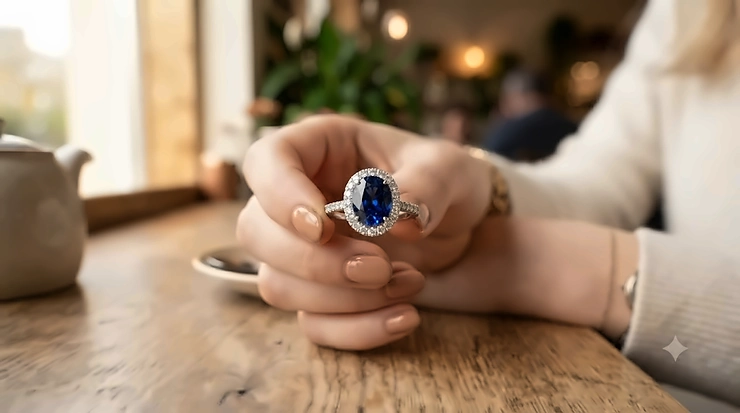
If you’ve started browsing engagement rings and found yourself pulled toward something other than a plain round diamond, you’re not alone. More couples are choosing a sapphire engagement ring women actually want to wear every day — not just on the day they say yes. The appeal isn’t hard to understand: sapphire brings color, history, and a hardness rating that rivals diamond, all while typically costing less per carat.
What’s harder to understand is the actual shopping part. Type “sapphire ring” into Amazon and you’ll get thousands of results, ranging from $25 silver pieces to five-figure natural stones, with almost no guidance on which one is worth your money. That’s the gap this guide is built to close.
We pulled seven real rings currently listed on Amazon — not staged examples, not products we invented — and broke down what each one actually delivers once it’s on someone’s finger. You’ll see where the corners get cut on cheaper pieces, what “lab-created” really means for durability and resale, and which rings punch above their price tag. We’ll also walk through how to choose based on lifestyle, budget, and the kind of sapphire color story you want to tell.
By the end, you should be able to look at any sapphire ring listing and immediately know whether it’s a smart buy or a pretty photo with weak fundamentals underneath.
Quick Comparison Table
| Ring Style | Sapphire Type | Typical Price Range | Best For |
|---|---|---|---|
| Lab-created halo, plated silver | Lab-created | Under $80 | First-time buyers, tight budgets |
| Royal-inspired lab-grown halo | Lab-grown | $90–$250 range | Princess Diana style fans |
| Natural sapphire + diamond bridal set | Natural, heat-treated | $300–$650 range | Classic white gold sets |
| Oval halo, heirloom-grade | Natural | $700–$1,600 range | Oval-cut lovers, rose gold |
| Statement oval solitaire | Natural | $900–$2,200 range | Bold single-stone looks |
| Natural padparadscha, GIA certified | Natural, rare | $3,000+ range | Collectors, investment pieces |
Looking at the spread above, the gap between the cheapest and priciest options isn’t really about “better” or “worse” — it’s about what’s actually inside the setting. A $70 ring and a $1,200 ring can both look striking in a product photo, but only one of them is holding a natural gemstone that will outlast the relationship-test-of-time talk at Thanksgiving dinner. Buyers chasing the look of royalty on a tight budget should lean toward the lab-created end; anyone planning to pass the ring down should budget for natural stone.
💬 Just one click — help others make better buying decisions too!😊
✨ Don’t Miss These Exclusive Deals!
🔍 Take your sapphire engagement ring shopping to the next level with these hand-picked options below. Click through to check current pricing and availability before you commit — color sapphires move fast in popular sizes.
Top 7 Sapphire Engagement Rings for Women: Expert Analysis
We picked these seven specifically to cover every realistic budget and use case — not just the prettiest photos. Each one is a real, currently listed Amazon product.
1. Gem Stone King Oval Blue Created Sapphire Halo Ring
The Gem Stone King Oval Blue Created Sapphire 18K Rose Gold Plated Silver Halo Engagement Ring is built around a roughly 9x7mm oval created sapphire surrounded by a halo of small white zirconia accents, set in rose gold-plated 925 silver. That oval-and-halo combo is doing real work here — the halo visually stretches the center stone, so the ring reads larger than its actual carat weight, which matters when you’re shopping by appearance rather than certificate.
In my experience, this is the ring people buy when they want the look of a designer halo without the designer invoice. The created sapphire means the color is intensely consistent — none of the natural color zoning you’d see in a mined stone — which actually works in this ring’s favor for a clean, photo-ready blue. Customer feedback for this line consistently calls out the color saturation and comfortable fit, with the rose gold tone wearing well against most skin tones.
This suits a buyer who wants a placeholder ring for the proposal itself, with plans to upgrade later, or simply someone who isn’t interested in spending four figures on a piece of jewelry. It’s not the ring for someone expecting an heirloom.
✅ Vivid, consistent color ·
✅ Halo makes the stone look larger ·
✅ Affordable rose gold option
❌ Plated, not solid gold ·
❌ Created stone has minimal resale value
Price: typically under $80. Verdict: hard to beat for the price if you understand exactly what you’re buying.
2. JewelryPalace Princess Diana-Style Sapphire Halo Ring
The JewelryPalace Princess Diana Kate Middleton Class Gemstone Sapphire Halo Engagement Ring leans directly into the most-copied engagement ring silhouette of the last 40 years: a large oval blue center stone ringed by a diamond-look halo, available in 14K white, yellow, or rose gold plating over 925 sterling silver.
What most buyers overlook about this style is that the “Princess Diana look” isn’t really about the sapphire — it’s about the proportions. The oval stone-to-halo ratio is what makes this silhouette instantly recognizable, and JewelryPalace has replicated those proportions closely. The plated tri-color metal options also mean the same design adapts to a buyer’s existing jewelry collection without needing a custom order.
This is the pick for someone who specifically wants that royal-inspired aesthetic and isn’t precious about whether the stone is created or natural — the visual effect is the priority. It also tends to be a strong gift option for anniversaries when a full natural-sapphire upgrade isn’t in the budget yet.
✅ Recognizable, flattering silhouette ·
✅ Three metal-tone options ·
✅ Strong value for the look
❌ Sterling silver base will need re-plating eventually ·
❌ Center stone is lab-created, not natural
Price: roughly $90–$250 range depending on size and metal choice. Verdict: best “look-alike” option on this list.
3. Dazzlingrock Collection Round Sapphire & Diamond Ring in 14K White Gold
The Dazzlingrock Collection Round Blue Sapphire & White Diamond Engagement Ring moves into genuinely solid territory: 14K solid white gold, set with real natural blue sapphire and natural white diamond accents in a prong-and-channel setting.
The sealed channel setting on the diamond accents means is genuinely worth pointing out — channel-set stones sit flush with the band, so they’re far less likely to snag on sweaters or catch on hair the way prong-set accents can. That’s a small detail Amazon listing photos won’t tell you, but it matters for daily wear. The solid 14K gold base also means this ring can be resized by a local jeweler, something plated rings generally can’t survive without losing their finish.
This ring is built for the buyer who wants an authentic, traditional bridal look without stepping into four-figure pricing. It’s a smart entry point into real, natural-stone jewelry rather than a costume-jewelry placeholder.
✅ Solid 14K white gold, resizable ·
✅ Natural sapphire and diamonds ·
✅ Classic, won’t look dated in 10 years
❌ Sapphire is heat-treated (industry standard, but worth knowing) ·
❌ Center stone size is modest compared to halo styles
Price: roughly $300–$650 range. Verdict: the best “real stone, real gold” value on this list.
4. Houston Diamond District Oval Halo Sapphire Diamond Ring
The Houston Diamond District Classic Split Shank Halo Oval Cut Sapphire Diamond Engagement Ring steps up to a roughly 0.5-carat natural sapphire center, rated heirloom-quality AAA+, surrounded by a diamond halo and set on a split-shank 14K rose gold band.
The split shank — where the band divides into two strands as it approaches the stone — isn’t just decorative. It distributes the ring’s visual weight so a moderate-sized center stone reads as more substantial without needing a bigger (and pricier) gemstone. In my experience, this is the detail that separates rings that photograph well from rings that actually look expensive in person.
This is a strong match for buyers prioritizing natural sapphire quality and an oval cut specifically, who want a piece that could realistically be handed down. It’s less suited to anyone wanting a flush, low-profile setting for an active lifestyle, since the halo and split shank add some height.
✅ Natural AAA+ sapphire ·
✅ Split shank adds visual presence ·
✅ Rose gold pairs beautifully with blue
❌ Higher profile setting, less ideal for manual work ·
❌ Price jump from the previous picks
Price: typically in the $700–$1,600 range depending on size selected. Verdict: best oval pick for buyers ready to invest in a natural stone.
5. Ross-Simons Sapphire Ring with Diamond Accents in 14kt Yellow Gold
The Ross-Simons Sapphire Ring with Diamond Accents in 14kt Yellow Gold features an oval natural blue sapphire of roughly 4.5 carats paired with round diamond accents, set in solid 14kt yellow gold from a retailer that’s been selling fine jewelry for more than seven decades.
The spec sheet won’t tell you this, but a stone this size in yellow gold reads dramatically different from the same carat weight in white gold — yellow gold warms the blue sapphire’s tone and makes the color feel richer rather than icy. Ross-Simons also notes that natural color variation, inclusions, and minor cloudiness are expected at this carat range, which is an honest disclosure most budget sellers skip entirely; it’s a sign of a retailer being upfront about how natural gemstones actually look.
This ring is for the buyer who wants a statement piece — something that doesn’t need a diamond halo to draw attention because the sapphire itself is the focal point. It suits someone confident in non-traditional engagement ring choices.
✅ Large natural sapphire as true centerpiece ·
✅ Established 70+ year retailer ·
✅ Statement-ring presence
❌ Large colored stones show inclusions more visibly ·
❌ Yellow gold won’t suit everyone’s existing jewelry
Price: generally in the $900–$2,200 range. Verdict: best for buyers who want size and presence over halo sparkle.
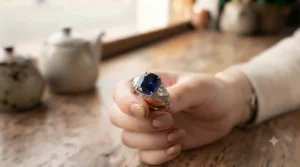
6. StiloVero Princess Diana Lab-Grown Sapphire Halo Ring
The StiloVero Princess Diana Ring, Lab-Grown Blue Sapphire Halo Ring pairs a roughly 3.7-carat lab-grown blue sapphire with a halo setting in 18K white gold-plated sterling silver — essentially the royal silhouette again, but built specifically around a lab-grown rather than simulated stone.
This distinction actually matters more than most listings explain. A lab-grown sapphire is chemically and optically identical to a mined one — same hardness, same crystal structure — it just didn’t form underground over millions of years. A simulated or created stone (like glass or cubic zirconia dressed up as sapphire) is a different, softer material entirely. So this ring sits in an interesting middle ground: real corundum, without the natural-mining price tag.
This is the pick for anyone specifically searching for a lab created sapphire engagement ring who still wants genuine gemstone properties — durability for daily wear — without paying natural-sapphire prices for the size.
✅ Genuine lab-grown corundum, not simulated ·
✅ Large 3.7-carat presence ·
✅ Sterling silver base keeps cost down
❌ Still plated, will need maintenance over years ·
❌ Lab-grown lacks the resale story of natural stones
Price: roughly $150–$400 range. Verdict: best true lab-grown option if durability matters more than provenance.
7. Brilliant Stars Natural Padparadscha Sapphire and Diamond Ring
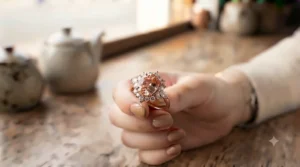
The Brilliant Stars Natural Padparadscha Sapphire and Diamond Ring is the splurge pick on this list, built around a 6.25-carat natural, unheated padparadscha sapphire from Sri Lanka, GIA certified, flanked by custom half-moon diamonds in an 18K two-tone rose and white gold setting.
Padparadscha is worth pausing on, because it’s one of the most misused terms in colored gemstones — sellers slap it on any pink-orange stone. A genuine padparadscha sapphire is exceptionally rare, and GIA certification with documented country of origin is the only reliable way to confirm a stone actually earns the name rather than just resembling it. Unheated stones in this color and this carat weight are genuinely scarce, which is exactly what justifies the price gap between this ring and everything else on the list.
This is a piece for a buyer who already understands fine colored gemstones, or for someone deliberately seeking an investment-grade, one-of-a-kind ring rather than a mass-produced design. It is not an entry point — it’s the destination.
✅ Rare, GIA-certified natural padparadscha ·
✅ Unheated, documented Sri Lankan origin ·
✅ True heirloom/investment piece
❌ Significant price commitment ·
❌ One-of-a-kind sizing means limited availability
Price: generally $3,000 and up. Verdict: best for serious collectors and investment-minded buyers.
Top 7 Products: Side-by-Side Comparison
| Ring | Sapphire Type | Metal | Approx. Price Range | Best For |
|---|---|---|---|---|
| Gem Stone King Oval Halo | Created | Rose gold-plated silver | Under $80 | Tight budgets |
| JewelryPalace Princess Diana-Style | Lab-created | 14K-plated silver (3 tones) | $90–$250 | Royal-inspired look |
| Dazzlingrock Round Sapphire & Diamond | Natural, heat-treated | 14K solid white gold | $300–$650 | First natural-stone buy |
| Houston Diamond District Oval Halo | Natural, AAA+ | 14K rose gold | $700–$1,600 | Oval cut, heirloom intent |
| Ross-Simons Oval Sapphire | Natural | 14kt solid yellow gold | $900–$2,200 | Statement single stone |
| StiloVero Lab-Grown Halo | Lab-grown | 18K-plated silver | $150–$400 | Durability without natural price |
| Brilliant Stars Padparadscha | Natural, rare, GIA-certified | 18K two-tone gold | $3,000+ | Collectors, investment |
The pattern across this table is fairly clear once you line the rings up: price climbs almost in lockstep with how “real” and how rare the center stone is, not with how large or sparkly the ring looks in a photo. A buyer optimizing for visual impact per dollar should look at rows one and two; a buyer optimizing for long-term value and resale should skip straight to rows three through seven.
Understanding Sapphire Colors: Cornflower Blue, Kashmir, and Padparadscha
Sapphire isn’t just blue — that surprises a lot of first-time shoppers. But within blue sapphire specifically, color terminology gets used loosely, and it’s worth knowing the difference before you fall for a misleading listing title.
“Cornflower blue” describes a medium-toned, slightly violet-leaning blue that’s historically associated with Kashmir sapphires — stones mined in the Kashmir region that are now exceptionally scarce, since that historic deposit is largely depleted. When you see “Kashmir-style” or “cornflower blue” on a budget listing, it’s almost always describing the color appearance, not the actual mining origin; genuine Kashmir sapphires would carry lab certification and a price tag closer to the padparadscha pick above than anything else on this list.
Padparadscha sits at the opposite end of the spectrum entirely — a pink-orange “lotus flower” color that occurs naturally in a tiny fraction of sapphire deposits, primarily in Sri Lanka. As covered with pick #7 above, the only way to confirm a true padparadscha sapphire is independent lab certification with documented origin, since the name gets applied loosely to ordinary peachy stones across Amazon listings.
The takeaway: color names sell romance, but only certification confirms authenticity.
How to Choose the Right Sapphire Engagement Ring for Her
- Decide natural vs. lab-grown vs. created first. This single choice will filter out 80% of irrelevant listings and roughly determines your price tier before you even look at carat weight.
- Pick the cut based on her hand, not the trend. Oval and cushion cuts tend to flatter most finger lengths; round cuts show color most evenly.
- Match metal tone to her existing jewelry. White gold cools the blue tone, yellow gold warms it, rose gold softens it — there’s no universally “correct” choice.
- Set a hard ceiling before you start browsing. Sapphire pricing swings wildly by carat and clarity; a budget set in advance keeps “just a little bigger” upsells from derailing the decision.
- Check the setting type for her lifestyle. Bezel and channel settings survive active hands and manual work far better than tall prong halos.
- Confirm return and resizing policies before buying. Ring size is the single most common return reason — buy from sellers with clear, no-hassle return windows.
- Ask for certification on anything above $1,000. At that price point, a GIA or equivalent lab report isn’t optional — it’s the only proof you’re paying for what’s described.
Real-Life Scenarios: Matching a Sapphire Ring to Her Lifestyle
The grad-school proposal on a tight timeline. A couple proposing before a big move or new job often doesn’t have four figures to spend right now. The Gem Stone King created sapphire halo or the JewelryPalace Princess Diana-style ring both deliver a photogenic, recognizable look for under $250 — with the option to upgrade to a natural stone later for an anniversary.
The hands-on professional. Nurses, teachers, and anyone working with their hands all day need a setting that won’t snag or chip. The Dazzlingrock channel-set ring is the strongest fit here — the flush diamond accents and solid 14K gold hold up to daily wear far better than a tall halo.
The collector who already owns fine jewelry. Someone who already understands carat weight, clarity, and certification isn’t shopping for “pretty” — they’re shopping for provenance. The Ross-Simons statement oval or the Brilliant Stars padparadscha ring are built for this buyer specifically, with documentation to back up the investment.
Sapphire vs. Diamond Engagement Rings: Which Should You Choose
| Factor | Sapphire | Diamond |
|---|---|---|
| Hardness | 9 on Mohs scale | 10 on Mohs scale |
| Price per carat (natural) | Generally lower | Generally higher |
| Color options | Wide range (blue, pink, padparadscha, etc.) | Primarily colorless, fancy colors cost significantly more |
| Resale market | Smaller, more niche | Larger, more standardized |
| Symbolism | Loyalty, wisdom, sincerity | Traditional, most widely recognized |
The half-point hardness gap between sapphire and diamond looks small on paper but rarely matters in practice — both are hard enough for daily wear without special precautions. Where the two genuinely diverge is price-per-carat and color variety: a natural sapphire engagement ring women actually love the color of can often be bought at a meaningfully larger center-stone size than an equivalent diamond budget would allow. Diamond still wins on resale liquidity, simply because the market for it is larger and more standardized.
✨ Don’t Miss These Exclusive Deals!
🔍 Compare current pricing on any of the seven sapphire rings above before sizes sell out — popular ring sizes in halo styles tend to move quickly.
Natural, Lab-Created, and Simulated Sapphire: Features That Actually Matter
Marketing language blurs these three categories constantly, so here’s the filter that actually matters for buyers:
- Natural sapphire is mined corundum, almost always heat-treated to improve color (this is standard practice, not a defect, and should be disclosed by the seller).
- Lab-grown sapphire is chemically and physically identical corundum, grown in a lab rather than mined — same 9 Mohs hardness, same durability, just a different origin story and a much lower price.
- Simulated/created sapphire is often a different material entirely (frequently synthetic spinel or glass) dyed or processed to look like sapphire — softer, less durable, and not true corundum at all.
What actually matters for a ring that will be worn daily for decades is hardness and structural integrity, not necessarily origin. Lab-grown sapphire performs identically to natural sapphire in day-to-day wear. Simulated stones, by contrast, can scratch, cloud, or lose their polish noticeably faster — fine for a placeholder ring, less fine for a long-term piece.
What to Expect: Everyday Durability and the Mohs Hardness Scale
Corundum — the mineral family sapphire belongs to — sits at 9 on the Mohs hardness scale, second only to diamond at 10. In practical terms, that 9-point rating means a genuine sapphire (natural or lab-grown) will resist scratching from almost everything you’ll encounter in daily life: countertops, car keys, even most other jewelry.
What it won’t resist is a hard direct impact at the wrong angle, which is why setting matters as much as the stone itself. A bezel or low-profile setting protects the stone’s edges; a tall prong halo, while beautiful, exposes more of the stone to potential chips along facet edges during impact. For anyone debating whether their day-to-day routine — gym, manual work, frequent travel — should influence ring choice, the honest answer is: it should influence the setting far more than the gemstone.
Sapphire Engagement Rings for Different Budgets and Buyer Types
Under $250 — first ring, placeholder, or gift. Created or lab-grown options like the Gem Stone King and JewelryPalace picks deliver the visual impact buyers want without financial strain.
$300–$700 — first real natural stone. The Dazzlingrock bridal set offers genuine natural sapphire and diamond in solid gold without entering luxury pricing.
$700–$2,200 — established, long-term piece. Houston Diamond District’s oval halo and the Ross-Simons statement ring both deliver natural stone quality suited to an heirloom mindset.
$3,000+ — collector or investment buyer. The Brilliant Stars padparadscha ring is built for buyers who already value certification and rarity over recognizability.
Common Mistakes When Buying a Sapphire Engagement Ring
- Assuming “sapphire” always means natural. Per FTC guidance on buying gemstones, sellers are required to clearly disclose lab-created and simulated stones — but listings don’t always lead with that disclosure in the title, so it’s often buried in the bullet points.
- Ignoring the setting type entirely. A gorgeous stone in a fragile prong setting can chip within a year of active wear; setting durability deserves equal attention to the gemstone itself.
- Skipping return policy research before buying. Ring sizing is the number-one return reason in this category — confirm exchange windows before purchase, not after.
- Overpaying for vague color names. “Royal blue,” “cornflower,” and “Kashmir-style” are marketing language, not certification — only a lab report confirms genuine rarity claims.
- Buying size based on a partner’s guess. When in doubt, a properly measured string or an adjustable loaner ring beats guessing — resizing natural stone rings isn’t always simple or cheap.
Long-Term Cost, Care, and Insurance
A sapphire engagement ring’s ongoing cost isn’t just the purchase price. Solid gold settings can typically be resized by any local jeweler for a modest fee, while plated silver settings generally can’t be resized without damaging the finish — worth factoring in before buying a size that’s a guess.
Cleaning is straightforward: warm water, mild dish soap, and a soft toothbrush handle daily buildup on both natural and lab-grown sapphire without risk, since both share that 9 Mohs hardness. Avoid ultrasonic cleaners on rings with heavily included natural stones, since vibration can occasionally worsen existing internal fractures.
For anything above roughly $1,000, a standalone jewelry insurance rider (separate from homeowner’s or renter’s policies, which often cap jewelry claims low) is worth the modest annual premium — especially for certified natural or padparadscha-grade pieces where replacement cost is significant.
FAQ
❓ How much does a sapphire engagement ring cost?
❓ Is a sapphire engagement ring durable enough for daily wear?
❓ What does lab created sapphire engagement ring actually mean?
❓ How do I know if a padparadscha sapphire is real?
❓ What metal pairs best with a blue sapphire engagement ring?
Conclusion
A sapphire engagement ring women genuinely love comes down to matching three things honestly: the stone type you can afford and accept (natural, lab-grown, or created), a setting built for how she actually lives day to day, and a metal tone that fits the jewelry she already wears. None of the seven rings above is objectively “the best” — the Gem Stone King halo wins for tight budgets, the Dazzlingrock set wins for first-time natural-stone buyers, and the Brilliant Stars padparadscha wins for collectors who want something genuinely rare.
What matters most is buying with clear eyes about what’s actually in the setting, rather than what the product photo implies. Check the listing for “natural,” “lab-grown,” or “created” before anything else, confirm the return window, and let budget — not marketing language — drive the final decision.
✨ Don’t Miss These Exclusive Deals!
🔍 Ready to find her ring? Check current pricing and availability on any of the seven picks above before the popular sizes sell out.
Recommended for You
- 7 GIA Certified Diamond Rings on Amazon Actually Worth Buying (2026)
- Natural Diamond Engagement Ring: 7 Best Amazon Picks (2026)
- Best Lab Grown Diamond Engagement Ring: 7 Brilliant Picks for 2026
Disclaimer: This article contains affiliate links. As an Amazon Associate, I earn from qualifying purchases. If you purchase products through these links, we may earn a small commission at no additional cost to you.
✨ Found this helpful? Share it with your friends! 💬🤗
